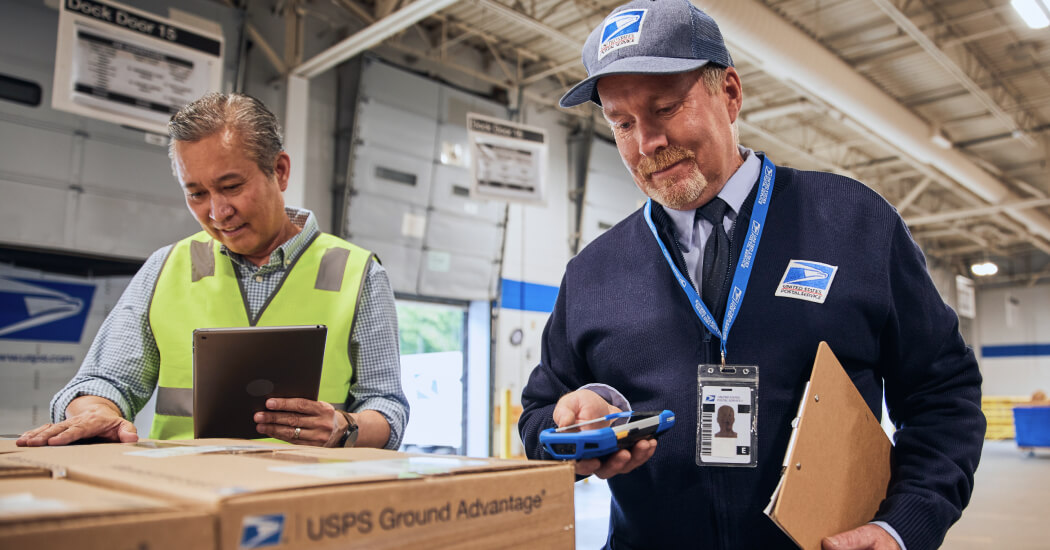
As new technologies transform shipping operations, savvy shippers remain focused on preserving the human connections that drive loyalty and longevity.
In proprietary interviews commissioned by the United States Postal Service (USPS) and conducted by Provoke Insights, shippers shared how they’re using automation tools—and why the human connection matters more than ever.[1]
How Shipping and Logistics Processes Are Evolving
In the ever‑advancing world of shipping and logistics, automation tech is no longer just a “nice to have.” It’s now critical for creating streamlined, cost‑efficient operations.
Even small steps—like automating order entry, address validation and package tracking—can yield big rewards, with application programming interface (APIs) and logistics software helping shippers reduce errors, free up labor and resources, and gain real-time visibility into every step of the supply chain.
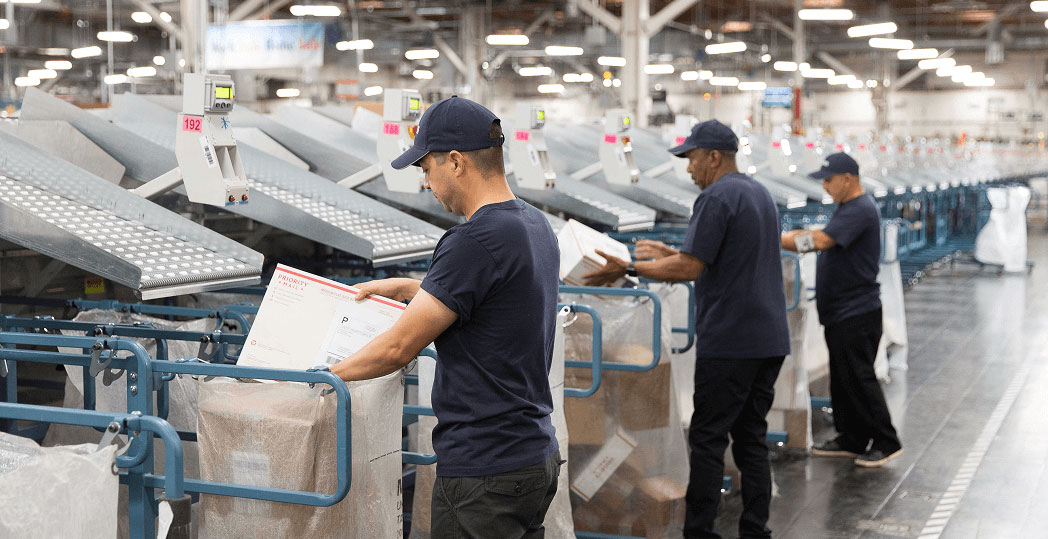
On the more advanced end of the spectrum, interviewees noted that robotics are poised to bring the next big wave of change in supply chain efficiency. For some companies, this future is already in motion. USPS, for example, has invested in more than 600 new package processing systems.[2] With this kind of large-scale automation, shippers can enhance speed, accuracy and capacity.
“
Five years ago, [logistics] were more manual. Now, it’s a lot more automated. Tools can deliver the results we need in real time. We’re not having to comb through data. We can get summaries and in-depth analyses automatically. We use a lot of automation tools through our 3PL companies [and] WMS platforms like ShipStation.”
Why the Human Connection Still Matters in Shipping
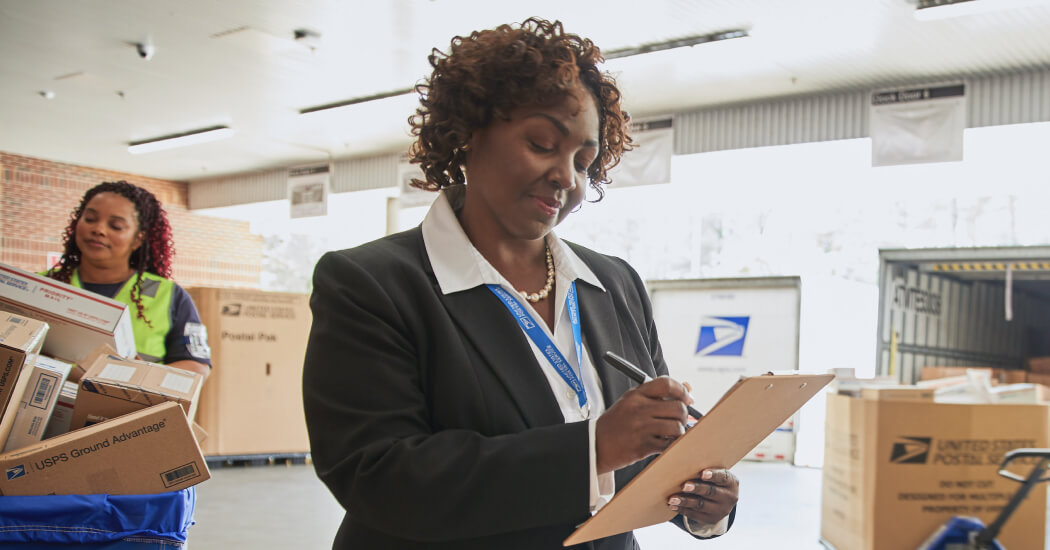
While automation reshapes the shipping industry, the interviewed industry leaders emphasized that responsive customer service and strong carrier partnerships remain critical to success.
Over‑automation can also bring with it significant risks, such as data breaches, cybersecurity issues, and the loss of the personal connection between a company and its customers that drives long‑term loyalty.
Stressing the importance of working with logistics partners that can anticipate customer needs, provide ongoing guidance and solve problems quickly, the leaders interviewed cautioned against losing sight of the customer experience. While technology is an integral tool in logistics operations, it’s not a substitute for real human connection and assistance.
“
Technology helps, but you can’t lose the human side of the customer experience.”
Key Takeaway
Technology and automation are rapidly transforming shipping and logistics operations—but without strong human connections in place with both partners and customers, even the most efficient operations can become fractured and fragile.
Ultimately, the shipping and logistics leaders who adopt scalable digital tools while maintaining strong partnerships and customer service will be the ones that stay resilient in a rapidly evolving market.
To learn more about how today’s logistics leaders are adapting, explore our full analysis: “Shipping Smarter: How Today’s Leaders Are Adapting to New Demands.”
Footnotes
keyboard_arrow_down- [1]“The Future of Logistics: Leveraging the USPS Technology Stack: Qualitative Research,” Provoke Insights, commissioned by USPS, Sept. 3, 2025. arrow_right_alt
- [2]“Postal Service Ready to Deliver for 2025 Holiday Season,” PR Newswire, Oct. 22, 2025. arrow_right_alt